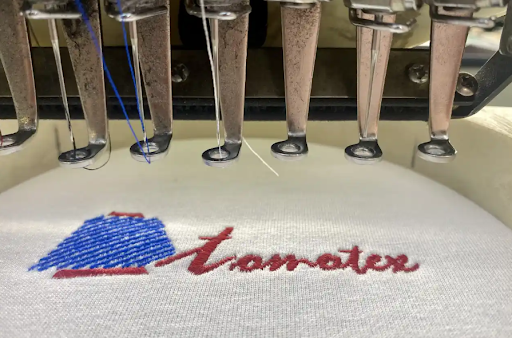
There is a version of branded workwear that communicates genuine investment in how a business presents itself, and a version that communicates a budget decision — and most people register which is which before they have consciously evaluated anything about the garment at all. Embroidery sits in the first category not because it is expensive or elaborate but because it is three-dimensional, permanent, and tactile in a way that printed alternatives are not, and these qualities register differently in the person wearing the garment as much as in the person looking at it. The embroidered polo shirt feels different from a printed one when it is put on, and that difference in how the wearer carries themselves in it is part of what makes embroidery a branding decision rather than simply a decorating method. Embroidery in Cape Town has grown as a corporate and personal service for this reason — the finished result communicates something that other methods approximate rather than replicate.
Digitisation Is Where Most Embroidery Goes Wrong
The quality difference between embroidery that accurately captures a logo or design and embroidery that technically resembles it without quite being right almost always originates in the digitisation process rather than in the machine or the thread — and this is the part of the process that most people commissioning embroidery have the least visibility into. Converting artwork into a stitch file involves decisions about stitch type, stitch direction, density, pull compensation, and underlay structure that collectively determine whether the finished embroidery will look like the design it was converted from or like a simplified approximation of it. These decisions require both technical knowledge and aesthetic judgement that experienced digitisers bring to each design individually rather than relying on automated conversion processes that treat every logo as equivalent regardless of its specific characteristics and the challenges those characteristics create at the stitch level.
What Industrial Workwear Actually Tests
The conditions that industrial and commercial workwear faces in Cape Town’s manufacturing, construction, and hospitality sectors expose the limitations of most decorating methods faster than most clients anticipate when they are making their initial specification decisions. Embroidery in Cape Town for workwear in these environments performs differently from print not because it has been specially treated for durability but because its fundamental structure is different — thread woven through fabric rather than ink applied to its surface — and this structural difference is what determines performance when garments are washed at temperatures that would compromise a printed finish, when they are abraded by the physical demands of the work, and when they need to keep looking representative after the kind of sustained daily use that domestic garments rarely experience in the same timeframe.
Sporting Clubs and the Badge That Means Something
The embroidered badge on a sporting garment carries a weight that a printed version of the same design does not, and members of Cape Town sporting clubs who have worn both versions of club clothing tend to have strong preferences that reflect something genuine about how the two methods communicate belonging rather than simply representing a quality difference. Cape Town embroidery for club blazers, training wear, and formal club garments produces items that members wear beyond the immediate context of sport because the garment communicates membership in a way they feel comfortable representing in other settings — which extends the visibility of the club’s identity far beyond the field, the court, or the water.
Personalised Gifts That Get Kept
The personalised gift market is full of items that are appreciated at the moment of receiving and quietly set aside within a few weeks, and the embroidered alternatives consistently occupy a different category in how they are received and how long they are kept. This is partly about durability and partly about the sense that someone made a deliberate choice about the method rather than selecting the fastest or most convenient option — embroidery on a garment or textile gift communicates that the personalisation was taken seriously, which changes how the recipient relates to the object rather than simply to the sentiment behind it. Wedding gifts, commemorative items, baby clothing, and corporate recognition gifts all land differently when the personalisation has been embroidered rather than printed.
The Local Supplier Advantage
Working with a Cape Town embroidery supplier for local business needs creates practical advantages that remote or international suppliers cannot replicate regardless of their production capability — the ability to review a production sample before committing to a full order, to have a direct conversation about design requirements that resolves ambiguities before they become production errors, and to hold the supplier accountable for quality and delivery in a relationship that actually has continuity. The sample review conversation with a local supplier frequently surfaces specification questions that would have produced an unsatisfactory finished result if they had been left unresolved in a remote briefing process, which is why businesses with meaningful brand standards consistently prefer local production despite the theoretical convenience of remote alternatives.
Conclusion
Embroidery in Cape Town offers businesses, clubs, and individuals the personalisation and branding method that performs most convincingly across the real conditions under which branded garments are actually used — daily wear, industrial washing, demanding work environments, and the long-term test of whether a garment continues to represent the intention behind its decoration years after it was produced. The qualities that distinguish embroidery from alternatives are not marketing claims but structural realities that show up over time, which is why the businesses and individuals who have worked with both tend to have clear and consistent preferences.