Stainl
Meta description: Learn why machined stainless steel parts are vital across industries, the challenges of machining stainless, and how to choose reliable CNC stainless steel parts suppliers.
From surgical instruments to marine fittings, stainless steel components quietly hold modern industry together. Their strength, corrosion resistance and clean finish make them a first choice for engineers who cannot afford part failure. But the material alone does not guarantee performance. How a part is made, and who makes it, matters just as much.
What Makes Stainless Steel Ideal for CNC Machining
Stainless steel is an iron alloy containing at least 10.5% chromium, which forms a thin oxide layer that protects the surface from rust. Common grades include 303, 304, 316 and 17-4 PH, each balancing machinability, strength and corrosion resistance differently. Grade 303 machines easily thanks to added sulfur, while 316 offers superior resistance to chlorides and is popular in marine and medical applications.
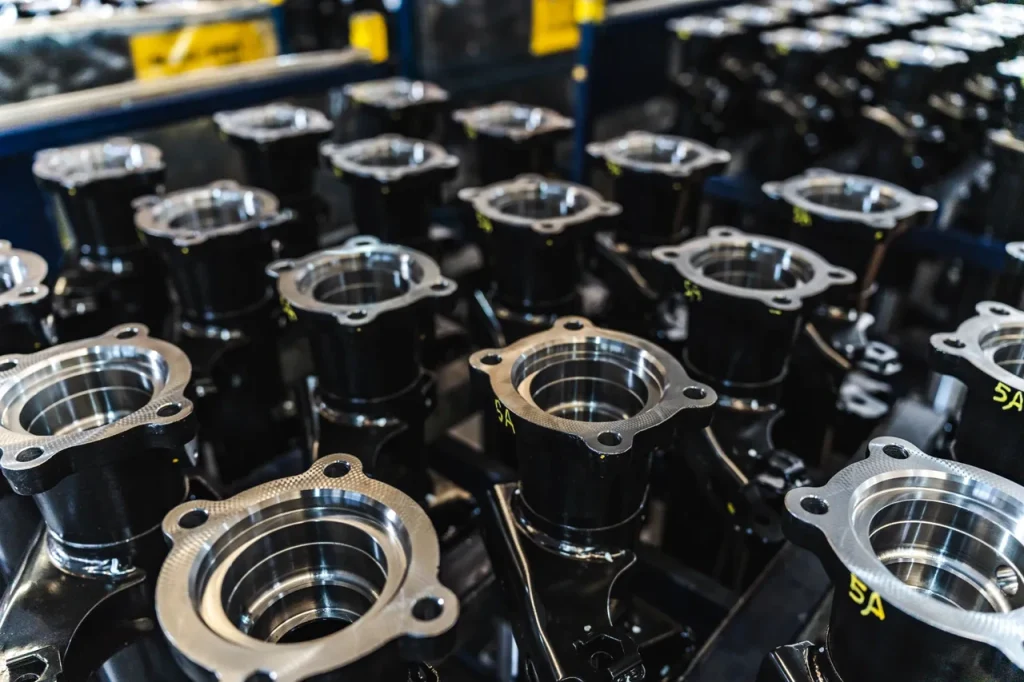
CNC machining turns these grades into precise components through computer-controlled milling, turning and drilling. The process holds tight tolerances and repeats them across thousands of pieces. That consistency is why machined stainless steel parts are trusted wherever fit, strength and reliability are critical.
Industries That Depend on Stainless Steel Components
- Medical: surgical tools, implant components and device housings that must withstand repeated sterilization.
- Food and beverage: valves, fittings and mixer parts that resist acids and are easy to clean.
- Aerospace and automotive: shafts, brackets and fasteners exposed to heat, vibration and stress.
- Marine and oil and gas: pump parts and connectors that face saltwater and harsh chemicals.
- Electronics: enclosures and precision connectors that need a clean, durable finish.
The Challenges of Machining Stainless Steel
Stainless steel is tougher to machine than aluminum or brass. It work-hardens quickly, generates heat at the cutting edge and wears tools faster. Experienced machinists counter this with sharp carbide tooling, correct feeds and speeds, rigid setups and generous coolant. Without that expertise, parts can suffer from poor surface finish, dimensional drift or hidden stresses that lead to early failure.
How to Choose the Right Supplier
Selecting among cnc stainless steel parts suppliers is one of the most important decisions in any project. Look for these qualities:
- Material expertise: they should recommend the right grade for your environment and budget.
- Equipment and capability: multi-axis CNC mills and lathes produce complex geometries in fewer setups.
- Quality control: ask about CMM inspection, material certificates and ISO 9001 certification.
- Finishing options: passivation, electropolishing, bead blasting and brushing improve both appearance and corrosion resistance.
- Scalability and lead times: a good partner supports rapid prototypes as well as full production runs.
- Communication: responsive engineering support catches design issues before they become costly mistakes.
Design Tips to Reduce Cost
Avoid unnecessarily tight tolerances on non-critical features, use standard hole sizes, add generous internal radii, and choose a free-machining grade such as 303 when corrosion demands allow. These small choices shorten cycle times, extend tool life and lower the price per part.
Conclusion
Stainless steel offers durability that few materials can match, but only when it is machined with skill and care. By understanding grades, application needs and supplier capabilities, buyers can source components that perform reliably for years. Partner with a manufacturer that combines advanced equipment, strict quality control and genuine engineering support, and your stainless steel parts will become an asset rather than a risk.