Introduction
Drilling projects require careful planning, suitable equipment, experienced personnel, and attention to safety. Whether drilling is needed for water wells, construction projects, environmental investigations, geotechnical work, or other applications, selecting the right drilling contractors can have a significant impact on project efficiency and results.
Professional drilling teams understand that every site presents different conditions. Soil composition, rock formations, groundwater, access limitations, environmental considerations, and project objectives can all influence the drilling method and equipment required.
Working with an experienced contractor can help project owners approach these challenges with a structured plan.
Experienced horizontal directional drilling contractors provide efficient, minimally disruptive solutions for installing underground utilities, pipelines, cables, and conduits. Using specialized drilling equipment and careful planning, contractors can complete projects beneath roads, landscapes, and other obstacles while reducing excavation, surface disruption, restoration costs, and project delays for residential and commercial developments.
What Do Drilling Contractors Do?
Drilling contractors provide specialized equipment, personnel, and expertise for drilling-related projects. Their services can vary depending on their capabilities and the industries they serve.
A contractor may provide:
- Site preparation
- Borehole drilling
- Water well drilling
- Geotechnical drilling
- Environmental drilling
- Exploration drilling
- Equipment operation
- Borehole sampling
- Site restoration
Before hiring a contractor, it is important to confirm that their experience and equipment are appropriate for the specific project.
Why Professional Drilling Matters
Drilling may appear straightforward from the outside, but underground conditions can vary considerably.
A drilling contractor needs to account for the geological conditions encountered during the project. Unexpected rock, unstable soil, groundwater, or restricted access can affect progress.
Experienced contractors can evaluate these challenges and adjust their approach when necessary.
Proper planning can also help reduce unnecessary delays and equipment problems.
Types of Drilling Projects
Different projects require different drilling techniques.
Water Well Drilling
Water well projects involve drilling into underground formations to access groundwater. The contractor may need to consider geology, expected water availability, well depth, casing requirements, and local regulations.
Geotechnical Drilling
Geotechnical drilling is commonly used to investigate subsurface conditions before construction.
Samples obtained during drilling can help engineers understand soil and rock characteristics and inform foundation or infrastructure decisions.
Environmental Drilling
Environmental drilling may be used to investigate soil or groundwater conditions at potentially contaminated sites.
The work often requires careful procedures to minimize cross-contamination and protect the surrounding environment.
Exploration Drilling
Exploration drilling can be used to investigate geological formations or natural resources.
The specific equipment and drilling method depend heavily on the project objectives and geological conditions.
Site Assessment Before Drilling
Good drilling projects begin with preparation.
Before equipment arrives, contractors may need information about the site’s accessibility, surface conditions, underground utilities, expected geology, and project requirements.
A site assessment can help determine which equipment and drilling approach are most appropriate.
Access is particularly important. Large drilling rigs may require significant space for transportation, setup, and operation.
Choosing the Right Equipment
Drilling contractors may use different types of rigs and equipment depending on the project.
Equipment selection can be influenced by:
- Required drilling depth
- Ground conditions
- Borehole diameter
- Site access
- Sampling requirements
- Project duration
- Environmental considerations
Using equipment that is inappropriate for the site can increase costs and delay the project.
Experienced contractors understand how equipment selection affects productivity and safety.
Understanding Ground Conditions
Subsurface conditions are one of the biggest variables in drilling.
Some sites may contain soft soil, while others may involve gravel, clay, fractured rock, or hard formations.
Groundwater can also affect drilling operations.
Contractors need to monitor conditions during the project and adjust techniques where necessary.
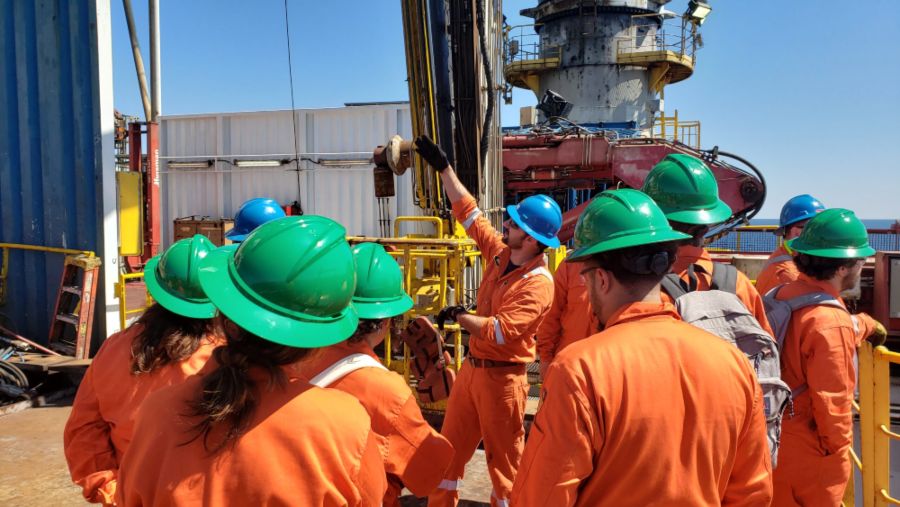
Safety on Drilling Sites
Drilling equipment can involve significant mechanical hazards, so safety should be a priority from the beginning.
A professional contractor should have appropriate safety procedures covering equipment operation, site access, personal protective equipment, emergency procedures, and worker training.
The drilling area should be controlled to reduce risks to workers, visitors, and nearby property.
Safety requirements can vary depending on the jurisdiction and project type.
Environmental Considerations
Drilling projects can interact with soil, groundwater, vegetation, and surrounding ecosystems.
Contractors should follow applicable environmental requirements and project-specific procedures.
Environmental considerations may include managing drilling fluids, controlling waste, preventing contamination, and restoring the site after work is completed.
For environmentally sensitive projects, these considerations should be addressed during planning rather than after drilling begins.
Project Planning and Scheduling
A drilling project should have a clear schedule whenever possible.
Project owners should understand the expected duration, potential variables, equipment requirements, and factors that could cause delays.
Weather, difficult ground conditions, equipment issues, access restrictions, and permitting requirements can affect schedules.
An experienced contractor should communicate potential challenges rather than making unrealistic promises.
Cost Considerations
The cost of drilling varies considerably between projects.
Factors may include:
- Drilling depth
- Ground conditions
- Equipment requirements
- Labor
- Site access
- Sampling
- Mobilization
- Waste management
- Project duration
The lowest quote is not always the best option.
A contractor with inadequate equipment or limited experience may encounter problems that increase the final cost.
When comparing estimates, consider the scope of work and what is included in each proposal.
Questions to Ask Before Hiring
Project owners should ask potential drilling contractors several questions before making a decision.
Useful questions include:
- How much experience do you have with similar projects?
- What drilling methods do you recommend?
- What equipment will be used?
- Have you worked in similar ground conditions?
- What safety procedures are followed?
- What permits or approvals may be required?
- How long is the project expected to take?
- What is included in the quotation?
- How are unexpected conditions handled?
Clear answers can help establish realistic expectations.
Importance of Experience
Experience can be particularly valuable when site conditions are unpredictable.
A contractor who has completed similar projects may recognize potential problems earlier and understand how to adapt equipment or drilling methods.
However, experience should be considered alongside licensing, safety practices, equipment condition, references, and the contractor’s ability to meet project requirements.
Communication During the Project
Good communication can make a drilling project easier to manage.
Contractors should provide updates when important conditions change or when unexpected issues arise.
Project owners should know who their primary contact is and how progress information will be communicated.
Clear communication can help decision-makers respond quickly when adjustments are required.
What to Look for in a Drilling Contractor
When evaluating contractors, consider several factors rather than focusing on price alone.
Look for:
Relevant Experience
Choose a company familiar with your type of drilling project.
Equipment
Confirm that the contractor has suitable equipment for the expected conditions.
Safety
Ask about worker training, site procedures, and safety management.
Reputation
References and previous project experience can provide useful insight.
Communication
Choose a contractor who explains the project clearly and responds to questions.
Transparency
The quotation should clearly explain the proposed scope, exclusions, and potential additional costs.
Preparing for a Successful Project
Project owners can also help by providing accurate information before work begins.
Share available site plans, previous geological reports, access details, project objectives, and known restrictions.
Make sure required permissions and site preparations are addressed before equipment arrives.
Good preparation allows contractors to spend more time drilling and less time resolving avoidable logistical problems.
Conclusion
Choosing experienced drilling contractors is an important step toward completing a safe, efficient, and well-managed drilling project. From site assessment and equipment selection to safety, environmental considerations, and project scheduling, professional planning can make a significant difference.
Every drilling site is different, so contractors should evaluate the project’s objectives and expected ground conditions before recommending an approach. Project owners should compare experience, equipment, safety practices, communication, and overall value when selecting a provider.
With appropriate preparation and a clear understanding of project requirements, a qualified drilling contractor can help reduce unnecessary complications and keep the work moving toward its intended outcome.