
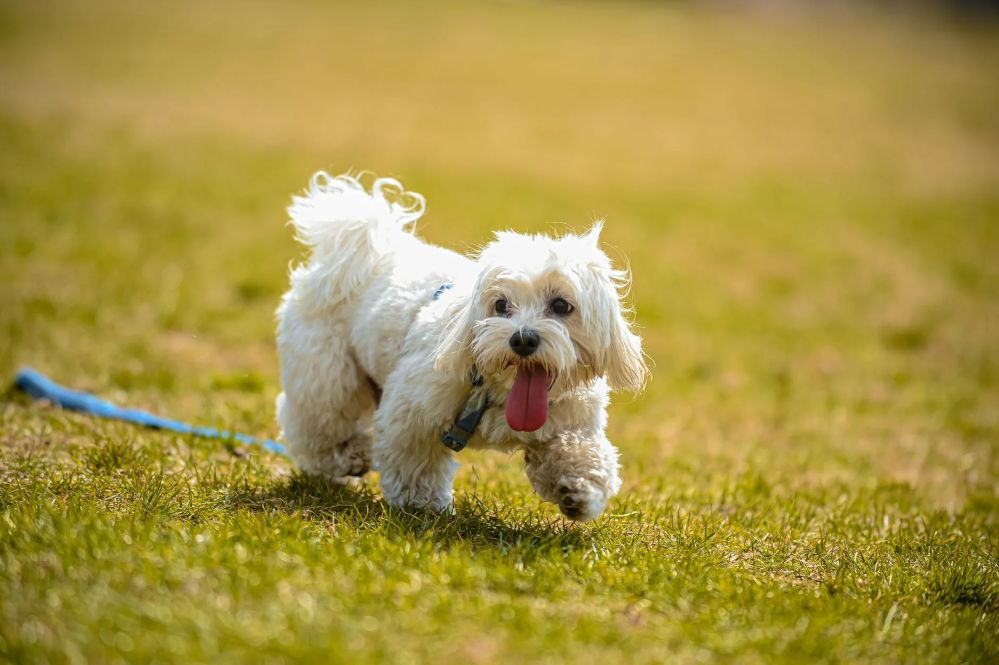
Reliable recall is one of the most valuable skills a dog can learn. Dog recall training for off leash control teaches dogs to return to their owners when called, even when distractions compete for their attention. Whether walking on a hiking trail, practicing in a fenced field, or enjoying time outdoors, a dependable recall helps owners manage their dogs more safely while allowing appropriate freedom to explore.
However, recall involves more than teaching a dog to respond to its name. It requires consistent practice, positive reinforcement, clear communication, and an understanding of canine behavior. With a structured approach, owners can build a stronger connection with their dogs and improve their ability to respond in real-world situations.
Why Dog Recall Training for Off Leash Control Matters
Dogs naturally investigate their surroundings. Squirrels, unfamiliar dogs, interesting scents, and sudden noises can distract them from returning when called. Even dogs that respond consistently at home may struggle outdoors.
Recall training teaches dogs that returning to their handlers is rewarding and worthwhile.
Reliable recall helps owners:
- Redirect dogs away from potential hazards.
- Improve communication during outdoor activities.
- Strengthen trust and responsiveness.
- Interrupt potentially dangerous behavior.
No recall is completely foolproof. Owners should follow leash laws and use secure, designated areas for off-leash activities.
Build a Strong Recall Foundation Before Going Off Leash
Dogs need to understand recall cues in easier environments before facing challenging distractions.
Start in a Low-Distraction Environment
Begin indoors or in a securely enclosed space. Use a consistent cue, such as “come” or “here,” and reward your dog immediately for approaching.
Use treats, praise, or favorite toys as rewards. Keep sessions short and practice at different distances before introducing distractions.
Make Returning to You a Positive Experience
If recall always ends playtime or leads to unpleasant experiences, dogs may become reluctant to return.
Reward successful recalls and occasionally allow your dog to resume playing. Never punish a dog for eventually returning, as this can create negative associations with the recall cue.
How to Progress Dog Recall Training for Off Leash Control
Gradually introduce new environments and distractions as your dog becomes more reliable.
1. Introduce a Long Line
A long training line allows dogs to explore while maintaining a physical connection. Practice in an open area where the line cannot easily become tangled.
Call once and reward the return. If your dog struggles, reduce the distance or move somewhere quieter.
2. Add Distractions Gradually
Introduce mild distractions before progressing to more challenging environments. Increase distance or distraction levels one at a time. If your dog repeatedly ignores the cue, return to an easier exercise.
3. Practice in Different Locations
A recall that works in the backyard may be less reliable at a park or on a hiking trail. Practice in several safe, controlled locations to help your dog respond consistently in different settings.
4. Reward Fast, Consistent Responses
Reward your dog for returning promptly and staying close enough to be safely managed. Practice calmly handling the collar or harness before clipping on the leash when needed.
Common Recall Training Mistakes to Avoid
Avoid these common mistakes when teaching reliable recall:
- Repeating the cue: Calling repeatedly can teach dogs that the first command is optional. Give the cue once and adjust the difficulty if necessary.
- Advancing too quickly: Introduce distractions gradually instead of moving directly from indoor practice to busy public areas.
- Ending every activity with recall: Occasionally reward your dog and allow play to continue.
- Using inconsistent rewards: Provide timely reinforcement while your dog learns the behavior.
- Assuming training eliminates risk: Even trained dogs can become startled or distracted. Maintain physical control near traffic and other hazards.
Understanding Motivation and Canine Behavior
Effective dog recall training considers what motivates an individual dog. Food may be highly rewarding for one dog, while another responds more enthusiastically to a favorite toy, social interaction, or permission to resume an activity.
Owners should observe their dogs and identify rewards that remain valuable in different environments. A small treat that works indoors may not compete with the excitement of wildlife outdoors.
A dog’s emotional state also affects learning. Fear, frustration, excessive excitement, and environmental overstimulation can make it difficult to respond to familiar cues. In these situations, creating more distance from the trigger and returning to a manageable exercise can be more productive than increasing the intensity of commands.
Consistency between household members is equally important. Everyone should use the same recall cue, reward successful responses, and follow similar expectations. Clear communication reduces confusion and helps the dog understand which behavior is being reinforced.
When Professional Dog Training Can Help
Some dogs struggle with recall because of chasing behaviors, wildlife, or environmental distractions. Dogs that frequently escape or ignore commands may benefit from an individualized training plan.
A qualified trainer can assess behavior, identify triggers, recommend suitable equipment, and teach owners effective techniques.
Rob’s Dog Training provides services tailored to individual canine training needs. Professional guidance can help improve communication, obedience, and recall reliability through consistent rewards and gradual progression.
Create a Practical Recall Training Routine
Consistent, short sessions help dogs develop reliable recall without becoming overwhelmed.
Follow these steps:
- Warm up: Practice easy recalls in a quiet environment.
- Add a challenge: Increase distance or introduce one mild distraction.
- Reward success: Provide a motivating reward immediately.
- End positively: Finish with an easy, successful repetition.
- Track progress: Monitor response speed and performance across different settings.
Keep sessions brief and reduce difficulty when your dog struggles. Focus on consistent responses across environments rather than a single successful attempt.
Develop Safer Off-Leash Habits Through Consistent Training
Dog recall training for off leash control is an ongoing process that combines communication, motivation, repetition, and responsible decision-making. By establishing a solid foundation, using a long line during progression, introducing distractions gradually, and rewarding successful returns, owners can improve their dogs’ responsiveness while reducing unnecessary risks.
Remember that freedom should be earned through demonstrated reliability in appropriate settings. Continue using leashes where required, supervise outdoor activities, and avoid testing recall near dangerous hazards before your dog is ready.
For additional guidance on building better canine behavior and obedience skills, visit robsdogs to explore training resources and services that can help you work toward a more responsive, confident, and well-managed dog.