There is a slight feeling of embarrassment about the legs due to the presence of spider veins. While rather common, their presence can lead to a search for cosmetic care. The hallmark of professional CLACS vein treatment is driven by laser, specific injections, and cooling during treatment. This is to minimize visible spider veins and fine reticular veins. Specialist assessment permits verification that the technique fits the individual’s needs. Careful planning also establishes a set of realistic expectations for visible improvement and follow-up. A simply understood treatment makes a smart treatment choice a lot more at hand.
Clearer Appearance
The spider veins may form visible “nets” of fine red or blue veins under your skin. Affected veins will begin to respond to treatment, and these vessels will become less visible. Jointly the laser and the injection stages tackle selected superficial vessels. The legs might possibly come to be more uniform over the course of time as the shades become clearer. The results will be based on the size of the veins, the type of skin and their response to the implant. Some patients find that subtle improvements, instead of a perfectly smooth surface, are preferable. Clinical photos can assist in comparison of progress for lighting conditions that are as consistent as possible. This conservative approach ensures that cosmetic change is focused on something attainable, rather than perfection.
Precise Technique
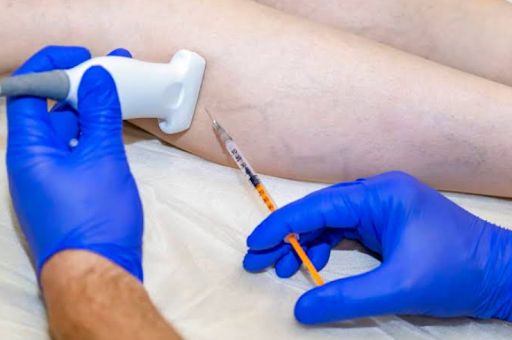
Our highly skilled practitioners will evaluate visible veins and surrounding vessels before beginning treatment. They may employ some specialized imaging and be able to spot veins that are hard to see. A laser beam is carefully directed towards the targeted superficial vessels underneath the skin. Larger veins are then closed using a controlled technique, which helps to close appropriate veins through subsequent injection. During these steps, CLACS vein treatment involves cooling to provide greater comfort. The overall approach is one that enables practitioners to customize their approach to the vein patterns. All subsequent sessions need to be carefully and properly planned for with good clinical judgement. The precision will lead to a personalised pathway of treatment for those who have been properly evaluated.
Patient Comfort
Knowledge is confidence. When you feel informed, an unfamiliar appointment might be easier to step up to. This includes cooling, which can help minimize an individual’s discomfort during the procedure. Patients are informed of each stage and what sensations to expect during treatment. Clear preparation tips improve appointments – they don’t need to be unnecessarily confusing. A supportive consultation will allow people time to discuss personal concerns if a person would like to. Afterwards, the practitioner may be able to talk about appropriate post-care options and what type of skin colour changes may be seen. Every person’s experience is unique and so is communication, which is crucial at this point during treatment. Comfort is the element taken into consideration alongside the strategies to include technical objectives in effective cosmetic vein therapies.
Tailored Care
Careful assessment is required rather than adherence to a standardized plan for the various vein patterns. Medical history, as well as symptoms and visible skin changes, are reviewed in advance by a qualified clinician. This will make it easier to differentiate between cosmetic spider veins and vascular issues. Any changes to the treatment will then apply to personal circumstances and the impacted vessels. In certain patients who wish to improve superficial veins, CLACS vein treatment may be an appropriate procedure. Practitioners can describe what may happen and appropriate follow-up evaluations. This is a person-centered approach which enables patients to grasp what treatment can achieve for them in a practical way. Patient selection continues to play a major role in generating pleasing outcomes with proper clinical management.
Everyday Confidence
Some may have noticeable one vein or more and that may impact their clothing and comfort choices. Patient confidence can be minimised when wearing shorts, dresses, and/or swimwear items when cosmetic improvements have been provided. Clothing can look fun to wear with a more even appearance. Confidence, however, is personal—and heavenly veins do not stand for well-being. Good clinicians understand this and have a respectful listening ear to each patient’s goal. They emphasize that people make choices and they do not stigmatise natural characteristics as deficiencies. This seems to be a balanced view that can help insure positive attitudes to one’s appearance later. The best possible outcome is one which goes in line with realistic expectations.
Conclusion
The key to thoughtful vein care is to first understand how to address unique concerns and the medical options. CLACS vein treatment can help improve the look of superficial veins for select patients. All laser, injection, and cooling procedures provide a focused method to enhance cosmetic appearance. The analysis of measurement results aids in determining appropriate candidates and in providing an understanding of potential outcomes. Clear communication facilitates comfort, realistic expectations, and aftercare as well. Small noticeable changes can help in building confidence without assuring permanent and perfect outcomes. All treatment experiences need to be guided by clinical experience and preference. However, when given the proper care, patients can be confident that they’ll have clear-cut legs.