
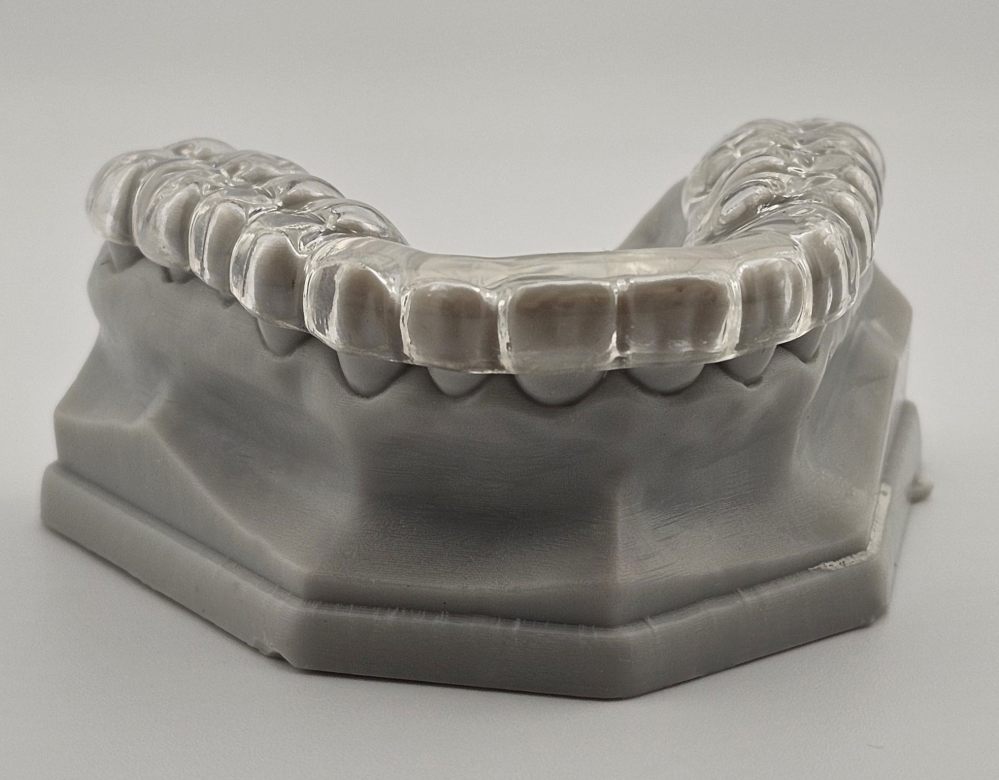
A Dental Implant Laboratory plays a critical role in modern restorative and implant dentistry, supporting clinicians with precision-engineered prosthetics that directly impact patient outcomes. As digital dentistry continues to evolve in 2026, the demand for highly accurate, CAD/CAM-driven implant solutions has never been higher. A reliable Dental Implant Laboratory ensures consistent fit, improved aesthetics, and predictable long-term performance for implant-supported restorations.
For dental clinics, the choice of laboratory partner is no longer just a procurement decision; it is a clinical success factor. Today’s advanced workflows integrate scanning, design, and milling technologies that reduce manual errors and enhance restorative precision. In this guest post, we explore how a modern Dental Implant Laboratory operates, what to look for in a trusted partner, and how digital transformation is reshaping implant dentistry.
What is a Dental Implant Laboratory?
A Dental Implant Laboratory is a specialized facility that designs and fabricates prosthetic components used in dental implant treatments. These include crowns, bridges, implant-supported dentures, abutments, and full-arch restorations.
Unlike traditional dental labs, implant-focused laboratories require advanced expertise in:
- Digital impression processing (intraoral scanning data)
- CAD/CAM design for prosthetic accuracy
- Implant system compatibility (Straumann, Nobel Biocare, etc.)
- Occlusion and bite alignment precision
- Material selection for long-term durability
Modern labs no longer rely solely on manual wax-ups or analog impressions. Instead, they integrate fully digital workflows that ensure consistent accuracy and reproducibility across cases.
A high-quality Dental Implant Laboratory acts as an extension of the dental practice, bridging clinical diagnosis and final restoration with technical precision.
The Role of a Dental Implant Laboratory in Digital Dentistry
Digital dentistry has transformed how implant cases are planned and executed. A Dental Implant Laboratory is now a central component of this ecosystem.
Key responsibilities include:
1. Data Interpretation and Design
Dental labs receive digital scans from clinicians and convert them into precise 3D prosthetic designs using CAD software. This ensures that restorations match patient anatomy with high accuracy.
2. Prosthetic Planning Collaboration
Labs collaborate closely with dentists during treatment planning, especially in complex cases such as All-on-4 or full-arch rehabilitation.
3. Manufacturing Precision Components
Using CAM milling or 3D printing, the lab fabricates restorations with micron-level precision.
4. Quality Assurance
Every restoration is checked for fit, occlusion, and esthetics before being sent back to the clinic.
This collaboration between clinician and laboratory reduces chair time, minimizes remakes, and improves patient satisfaction.
CAD/CAM Workflow in a Dental Implant Laboratory
One of the most important innovations in implant dentistry is the CAD/CAM workflow.
A modern Dental Implant Laboratory follows a structured digital process:
- Digital Impression Capture
- Intraoral scanners capture 3D models of the patient’s mouth.
- Data Transfer
- Files (usually STL or PLY) are securely transmitted to the lab.
- Digital Design (CAD)
- Technicians design crowns, abutments, or bridges using specialized software.
- Manufacturing (CAM)
- Milling machines or 3D printers create the physical restoration.
- Finishing and Characterization
- Color matching, polishing, and glazing ensure natural aesthetics.
- Quality Control
- Final inspection ensures proper fit and function.
This workflow eliminates many traditional errors caused by manual impressions and analog modeling.
Materials Used in a Dental Implant Laboratory
Material selection is critical in implant prosthetics. A skilled Dental Implant Laboratory works with a range of advanced materials:
Zirconia
- High strength and excellent aesthetics
- Ideal for crowns and bridges
- Biocompatible and long-lasting
Titanium
- Commonly used for implant abutments
- Strong, lightweight, and corrosion-resistant
- Excellent for osseointegration support
Hybrid Abutments
- Combination of titanium base and ceramic overlay
- Balances strength and esthetics
- Popular in anterior restorations
PMMA (Temporary Restorations)
- Used for provisional prosthetics
- Helps in trial fitting before final restoration
Each material is chosen based on clinical requirements, load-bearing needs, and esthetic expectations.
How to Choose the Right Dental Implant Laboratory Partner
Selecting the right Dental Implant Laboratory can significantly impact clinical success rates. Dental practices should evaluate labs based on the following criteria:
1. Digital Capability
Ensure the lab supports full CAD/CAM workflows and accepts digital scan files.
2. Implant System Expertise
The lab should be familiar with multiple implant systems and components.
3. Communication and Collaboration
Strong communication ensures fewer errors and faster turnaround.
4. Quality Assurance Standards
Look for consistent protocols for fit verification and material testing.
5. Turnaround Time
Efficient workflows reduce patient wait times without compromising quality.
6. Portfolio and Case Experience
Review past cases, especially full-arch and complex implant restorations.
A reliable lab becomes a clinical partner rather than just a service provider.
Benefits of Partnering with a Dental Implant Laboratory
Working with a specialized Dental Implant Laboratory provides multiple advantages for dental practices:
- Improved Accuracy: Digital workflows reduce human error
- Faster Turnaround: Automated production speeds up delivery
- Better Patient Outcomes: Precise fit improves comfort and function
- Reduced Chair Time: Fewer adjustments are needed
- Consistent Results: Standardized processes ensure reliability
These benefits directly translate into improved patient trust and clinic efficiency.
Why Dentek Digital Leads in Implant Solutions
In today’s competitive dental industry, choosing the right laboratory partner is essential for success. Dentek Digital is a trusted name in advanced implant prosthetics and digital dental solutions.
With a strong focus on CAD/CAM workflows and precision manufacturing, Dentek Digital supports dental professionals with high-quality implant restorations designed for accuracy and durability. Their expertise spans single-unit crowns, multi-unit bridges, and full-arch implant restorations.
By integrating modern digital dentistry practices, Dentek Digital helps clinics streamline workflows and improve restorative outcomes.
Future Trends in Dental Implant Laboratories (2026 and Beyond)
The future of Dental Implant Laboratory services is being shaped by rapid technological advancements.
1. AI-Assisted Design
Artificial intelligence is increasingly used to automate crown and bridge design, improving efficiency and consistency.
2. Fully Digital Workflows
From scan to final restoration, the entire process is becoming paperless and cloud-based.
3. 3D Printing Expansion
3D printing is enabling faster production of surgical guides, models, and temporary restorations.
4. Personalized Implant Solutions
Custom abutments and patient-specific designs are becoming the standard.
5. Predictive Treatment Planning
Advanced software can now simulate long-term outcomes before treatment begins.
These innovations are pushing implant dentistry toward greater precision and predictability.
Final Thoughts
A modern Dental Implant Laboratory is no longer just a fabrication facility it is a critical partner in delivering successful implant dentistry outcomes. As digital workflows continue to evolve, laboratories that invest in CAD/CAM systems, advanced materials, and collaborative clinical support will lead the industry forward.
For dental practices, partnering with a technologically advanced lab ensures better efficiency, improved accuracy, and stronger patient satisfaction. In 2026, success in implant dentistry depends heavily on the strength of the clinical-laboratory relationship.
Dentek Digital continues to represent this new standard in implant laboratory services, helping clinicians deliver restorations that meet the highest expectations of modern dentistry.